Lyric diction
What an opera diction coach does: lessons, preparation and how to use one
What an opera diction coach does: the training they bring, what a session covers, who needs one, how to find one and how a coach differs from a voice teacher.
By Diction Desk editors · Published · Updated · Checked against 10 sources
A diction coach is a professional who teaches proper pronunciation and articulation of spoken language and sung lyrics1. Coaches are typically trained in linguistics, phonetics, and acting or singing1. Singers book them for a recital, an audition or an opera performance in a language that is not their own2.
- Teaches
- Pronunciation and articulation of spoken and sung text1
- Background
- Linguistics, phonetics, acting or singing1
- Typical session
- 45 minutes, online or in person3
- Used for
- Recital, audition or performance in a foreign language2
- Online languages offered
- Italian, French, German and Czech at one program2
Contents
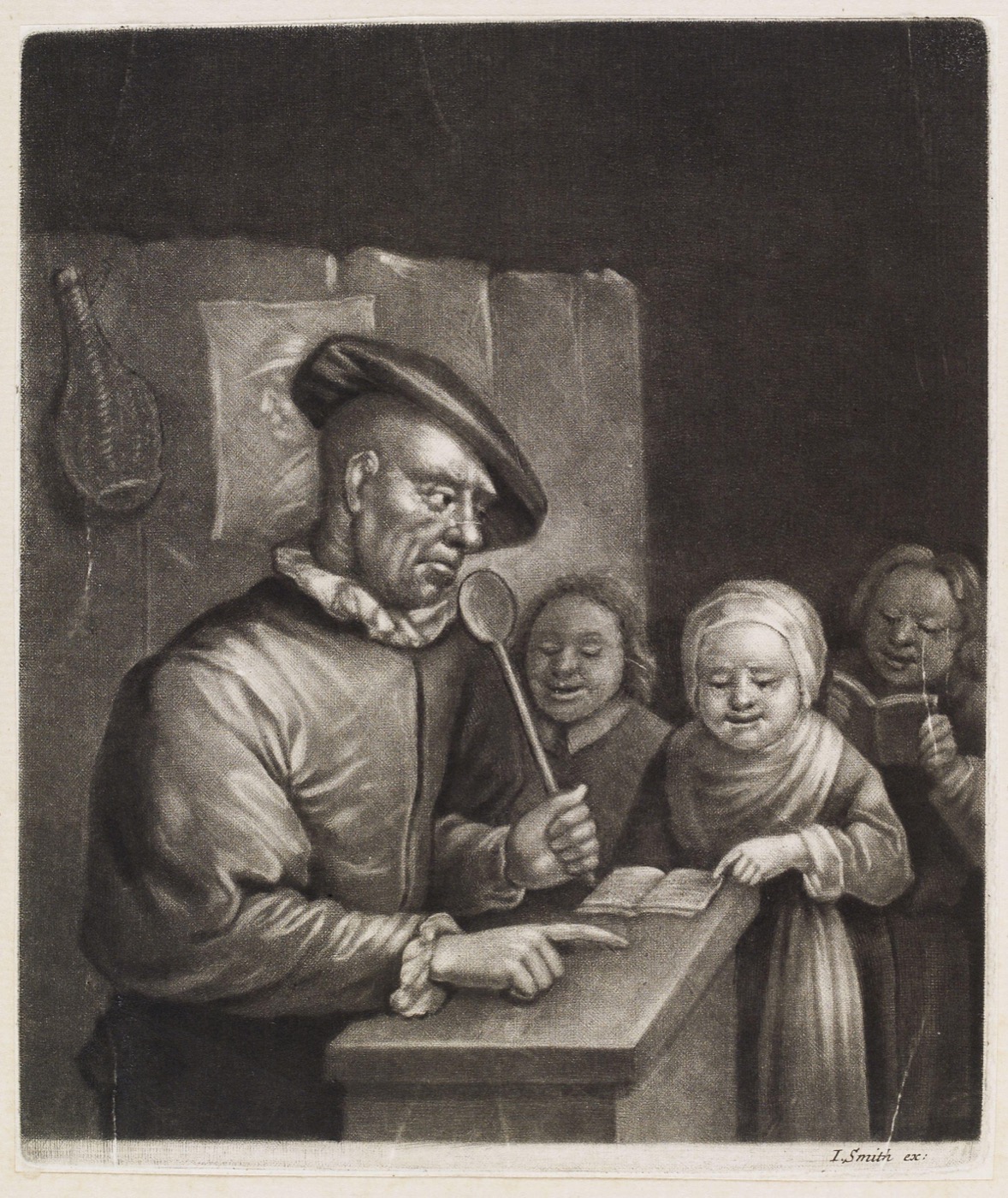
Opera is sung in languages most singers do not speak at home. A diction coach is the person who makes those languages safe to perform. This page explains the role, what a session covers, where to find a coach and how a coach differs from a voice teacher. The language pages in the diction section hold the rules a coach will apply.
What a diction coach is
A diction coach, or diction instructor, is a professional specialized in teaching proper pronunciation and articulation of spoken language and sung lyrics, (Wikipedia: diction coach)1. Diction teachers are typically qualified professionals with a background in linguistics, phonetics, and also acting or singing1. Their training often includes specific courses on applied phonetics, prosody and speech analysis1.
Coaches are sought after by universities, drama and music schools, and opera and theatre companies1.
The primary goal of a diction teacher is to enhance an individual’s verbal communication1.
What happens in a session
Diction instructors help students overcome challenges related to pronunciation and language articulation1. Lessons may range from specific pronunciation exercises to techniques for controlling breathing and vocal tone1.
At Opera Viva, the work is correcting your pronunciation and exploring the meaning of each sung line2. Coaching also aims at boosting your confidence in your mastery of the work2. Diction is crucial for opera singers: clear and precise articulation ensures that the audience can understand the lyrics3.
Sessions run online or in person. OperaScout lessons are 45 minutes long and taught online or in person in the Pittsburgh area3. Opera Viva runs real-time online coaching for Italian, French, German and Czech diction2. OperaScout also offers one-on-one coaching focused on German diction3.
In one Italian diction coach’s sessions, the singer runs through all pieces, either spoken or sung5. The coach works on understanding the phrasing and the legato line within the text5. The sessions are held over Zoom and are recorded5.
When to book one
Coaching suits a singer preparing a recital, an audition or an opera performance when the lyrics are not in your native tongue2. Audition preparation and monologue skills are among the reasons singers book diction lessons3.
The transcription steps are in how to transcribe an aria into IPA, and the symbols are explained in IPA for singers. For a printed reference, Joan Wall and others published Diction for Singers in 20091. For one language in full, begin with Italian diction for singers.
How to find a diction coach
Universities, drama and music schools, and opera and theatre companies all seek out diction coaches1.
Opera company programs. The Metropolitan Opera’s Lindemann Young Artist Development Program aims to identify and educate young singers and coach/pianists for major careers in opera6. Participants receive specialized training in music, language, dramatic coaching and movement6. A weekly stipend supports the artist, and the program also funds language study6. Positions run for one to three years for singers and one to two years for pianists (page seen 20 October 2026)6. The page said applications for 2025-26 coach/pianist positions were closed when the page was captured6.
Conservatory and university faculty. Matthew Gemmill is a Lecturer in Vocal Coaching and Collaborative Piano at the University of Florida7. He previously held faculty appointments at the Jacobs School of Music at Indiana University7. He spent five summers teaching at the Up North Vocal Institute in Boyne City, Michigan7. He received an Artist Diploma with distinction at the Guildhall School of Music and Drama in London7.
Teachers’ associations. The National Association of Teachers of Singing runs a Find-A-Teacher page. NATS was founded in 19448. It has over 7,000 members in the United States, Canada and over twenty-five other countries8. It offers its members workshops, intern programs, master classes and conferences8.
What to expect. Once you reach a coach, lessons may range from specific pronunciation exercises to techniques for controlling breathing and vocal tone1. Online services such as Opera Viva teach in real time2.
Diction coach, vocal coach and singing teacher
The terms overlap, and one coach’s blog gives a clear working split. In an oversimplified conclusion, a vocal coach comes from the point of view of interpretation, whereas a singing teacher comes from that of vocal production4. A singing teacher comes from a predominantly singing background, a vocal coach from a pianistic or sometimes conducting one4.
A vocal coach can help with accuracy, whether musical (rhythm, pitch, intonation) or of the text (diction, pronunciation, inflection)4. Coaching work also includes building familiarity with the piano part, recording a learning or backing track, performance practice, character work and choice of repertoire4. It all boils down to one word: interpretation4.
A singer works with a team. Apart from singing teachers and vocal coaches, there are language coaches, directors, movement directors and experts in a certain field, era or musical style4.
Coaches at work in opera houses
Marianne Barrett was born and educated in Germany and began as a diction coach at the Metropolitan Opera in 2008 (MetMusicStaff profile)9. Since 2013 she has coached almost every German opera at the Met9. In the summer she coaches at the Santa Fe Opera9. At Ravinia and other summer programs she helps gifted young singers from all over the world connect German poetry with music9. If your repertoire is German, German diction for singers gives you the rules she would be applying.
Lynn Baker has been the English diction coach for multiple operatic productions at Glimmerglass Opera, Opera Philadelphia and the Curtis Institute of Music since 201710. She was an assistant conductor and English diction coach at the original company of New York City Opera10, and she is English diction coach and adjunct faculty coach at Mannes Opera/The New School10.
Barrett’s guiding principle is the same for established singers on the Met stage and for young singers: diction is not just a matter of pronunciation but of understanding the melody of the language9.
Gerardo Felisatti was principal coach for Houston Grand Opera’s 2014 production of Mozart’s Cosi fan tutte2. In 2017-2018 he was the vocal coach at Malta’s Teatru Manoel for Le nozze di Figaro and Don Giovanni2. He is also Opera Viva’s accompanist and coach during its summer sessions in Verona2.
Why you need an outside ear
Unlike instrumentalists, singers have no direct perception of how their instrument sounds at the time they are using it4. A coach hears it for you.
Many singers seen at auditions were completely unfamiliar with the concept of vocal coaching4. The first thing the Opera Makers coach asks is: how can I help you today?4 A singer needs regular, or at least occasional, monitoring, even at the highest level4.
A checklist for your first session
Read next
IPA for singers: what the International Phonetic Alphabet is and how to use it
The International Phonetic Alphabet for singers: why one symbol equals one sound, the marks that matter, singers' charts and where to find IPA texts.
Lyric dictionHow to transcribe an aria into IPA: a step-by-step method for singers
Transcribe an aria into IPA: choose broad or narrow notation, use brackets, start from a ready-made IPA library and check the result by ear.
Lyric dictionItalian diction for singers: vowels, consonants, IPA and double-consonant rules
Italian lyric diction in one page: the 7 vowels, open and closed E and O, the c and g rules, gli, gn, sc, double consonants and the rolled r.
Questions singers ask
What does a diction coach do?
A diction coach teaches proper pronunciation and articulation of spoken language and sung lyrics, and helps students overcome pronunciation and articulation challenges1. Lessons may range from specific pronunciation exercises to techniques for controlling breathing and vocal tone1.
What is the difference between a vocal coach and a singing teacher?
A vocal coach comes from the point of view of interpretation, a singing teacher from that of vocal production4. A singing teacher usually comes from a singing background and a vocal coach from a pianistic or sometimes conducting one4.
Why do singers need a coach?
Unlike instrumentalists, singers have no direct perception of how their instrument sounds while they are using it4. A coach hears it for them, and clear, precise articulation ensures the audience can understand the lyrics3.
Sources
- Diction coach · Wikipedia · en.wikipedia.org · checked 19 October 2026
- Online Diction Coaching · Opera Viva · italyoperaviva.com · checked 19 October 2026
- Diction Coachings and Voice Lessons · OperaScout · operascout.com · checked 19 October 2026
- The Opera Makers blog: Demystifying the world of vocal coaching · The Opera Makers · theoperamakers.com · checked 19 October 2026
- Italian Diction Coach (coach's own page) · Rosy Anoush (coach's own site) · rosyanoush.com · checked 20 October 2026
- Lindemann Young Artist Development Program (via Wayback) · Metropolitan Opera · metopera.org · checked 20 October 2026
- Matthew Gemmill, Lecturer in Vocal Coaching and Collaborative Piano · University of Florida College of the Arts · arts.ufl.edu · checked 20 October 2026
- NATS Find-A-Teacher: About NATS · National Association of Teachers of Singing · nats.org · checked 20 October 2026
- Marianne Barrett, MetMusicStaff profile · MetMusicStaff · metmusicstaff.com · checked 19 October 2026
- MetMusicStaff profile (Baker) · MetMusicStaff · metmusicstaff.com · checked 19 October 2026
Photos (1)
- John Smith (engraver), Public domain

Translations of libretto lines on this page are our own. How we check facts · Report an error.