Role preparation
How to learn an opera role: a step-by-step method from working singers
A practical order for learning an opera role: edition, text and IPA, rhythms and notes, recordings, coaching, memorization and staging.
By Diction Desk editors · Published · Updated · Checked against 7 sources
Learning a role covers musical preparation, phonetic transcription, translation, declamation, characterization, style and staging1. Get the right score edition and organize it first2, learn the operatic language early3, translate in step with the music4, memorize in stages1 and take the role to a coach who knows it2.
- Step 3
- Translate the text and write IPA if needed4
- Tracking tool
- TLM tabs: Translated, Learned, Memorized4
Contents
- What learning a role covers
- Step 1: choose and organize the score
- Step 2: read the piece and size up the character
- Step 3: text, translation and IPA
- Step 4: rhythm and notes
- Step 5: repetitions that stick
- Step 6: recordings and coaching
- Step 7: character, memory and staging
- Course options for role study
- Mistakes to avoid
- A short routine
- Why singers say “toi toi toi”
- Pay for opera singers
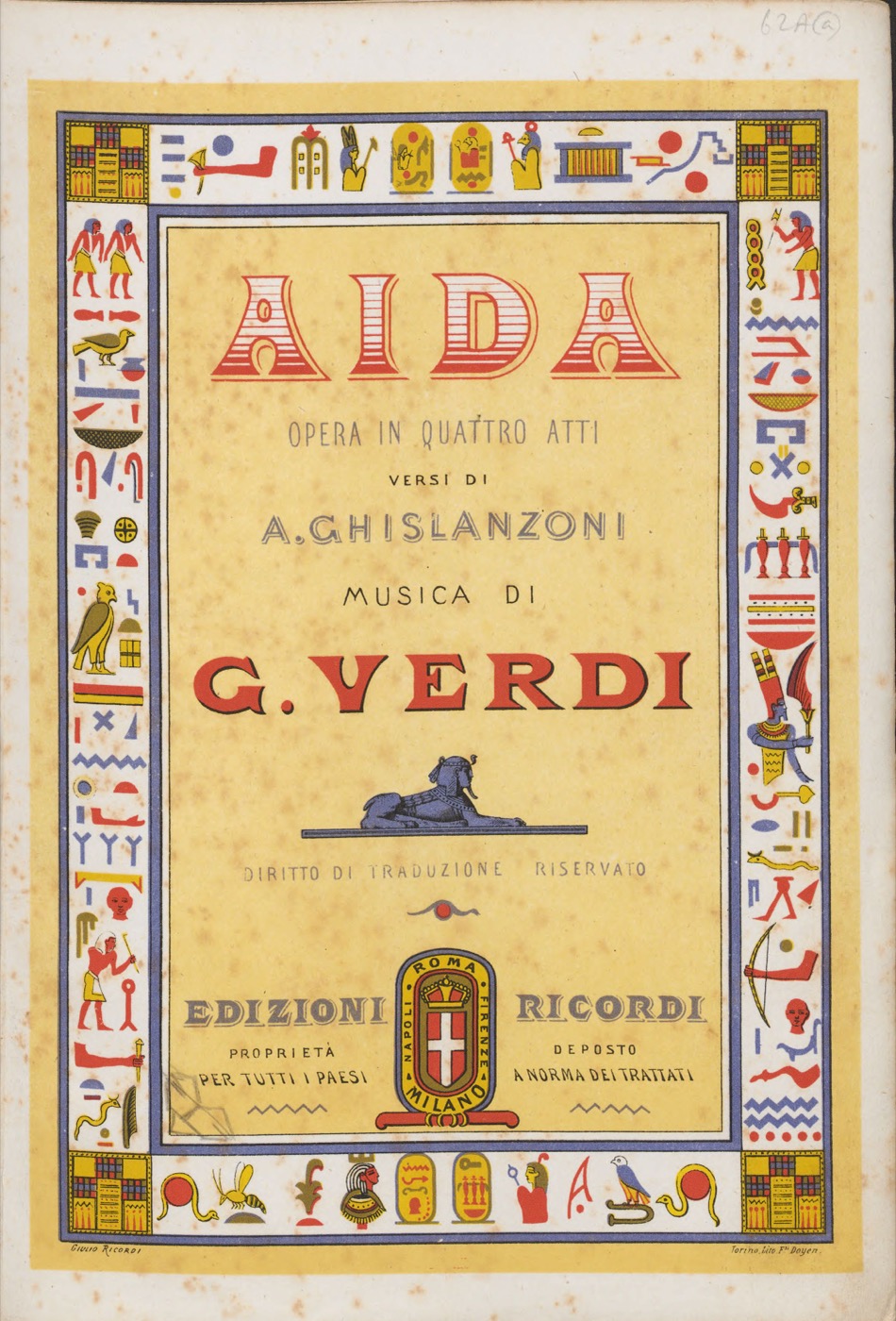
This page puts the methods published by working singers and role preparation programs in sequence. It is part of the roles section.
What learning a role covers
In the process of learning and mastering a role, singers work on musical preparation, phonetic transcription, translation, declamation, characterization, style and staging1. Historical research, dramatic and character work, and reading the book or play the opera is based on belong on the same list3. Goals include correct and clear diction, paraphrase and word-by-word translation1.
One method is built for students learning to prepare roles and for professionals who are too busy but must learn a role in an allotted time4. Especially for role debuts, get a scope of the amount of work involved immediately4. Pacific Opera guides its young artists through how to learn a role, with a strong focus on sung lyric diction, musicality, character development and stagecraft7. Its Young Artists get the opportunity to learn and study one or two operatic roles in their entirety7.
Step 1: choose and organize the score
Find out which score edition the production will use. Ask the musical director2; ask the company before you buy4. With the wrong edition, your page numbers, cut marks and perhaps even notes and words could be all wrong2. If there is a Bärenreiter edition, it will usually be the choice for professional companies4.
For Verdi and Puccini, a burgundy Ricordi hardback is the best buy: these scores are usually cheap and often have just Italian, leaving room for score prep notations4. Ask the director for any music they may cut from the score as well2.
Organizing the score comes first. Backtracking later is frustrating and detrimental to the learning process2. As a bare minimum, tab your musical entrances2. Tab each entrance, and add tabs later if a section is too big4. You can tab everything or tab only the exact moment your character enters2. Tabs let you find your character’s entrances easily3.
Highlight only your character’s name rather than the whole line, so earlier marks do not distract if you sing a different character in the same opera someday2. When you highlight, read through the part while you do it; do not simply draw a line across the page4. Mark where each phrase should begin and end, purely on the basis of the text4. Observe breath markings of a quarter note or longer so that your brain has an extra notation of phrasing4.
Step 2: read the piece and size up the character
Start by assessing the character’s overall presence in the opera and the character’s significance: where the character is from and where the character is going3. Get a general idea of the scope of the role and where the biggest challenges are3. Then read the entire piece all the way through, as if it were a play3.
Step 3: text, translation and IPA
Proficiency in the operatic languages is the single most beneficial thing you can do to help yourself memorize and interpret any role3. If your score is in a foreign language, do your translation and pronunciation work before the musical work2. It helps you understand how and why the music is written the way it is2. Translating is a concurrent step in the process, not a separate phase4.
Write your own translation, first word-for-word and then a poetic one2. If you do not know the language well, write the IPA into the score early4. In Italian scores, note double consonants and rolled Rs even before bringing the role to a coach4. For the sound rules by language, see the diction section.
Without knowing the text you cannot build the character: if you do not know what you are singing, how can you possibly create theater4? To test the text, close the score and write it out, scene by scene, in its original language3. Speak the text, in rhythm and out of rhythm; both help the language feel natural3.
Step 4: rhythm and notes
Different singers have different opinions on how you should learn the notes2. Learn the rhythms first, then the notes2. Isolate the parts that give you difficulty rather than barreling through them2. If a theme repeats or comes back in a variation, that speeds up the process2.
The method is illustrated with the role of Prince Orlofsky in Die Fledermaus2. After the language work, the notes come easily because you have already sat with the score for a while2.
Alternate difficult and easy sections from day to day: it is just like exercise, where you would not want to put in strenuous exercise several days in a row2. Order the work by form: recitatives, ensembles and finales first, and arias last3.
Step 5: repetitions that stick
Muscle memory is achieved with 3,000 to 5,000 repetitions, but meaningful learning begins at 75 repetitions4. After translation, repeat the three sections of text, rhythm and music 25 times each4. For most roles, 25 times with music, including the other prep, should prepare you for staging4.
Do not go cover to cover in each pass: it is exhausting and does not set up muscle memory4. Break arias and ensembles into verses or smaller parts4. Count your way through tricky bits so that you never miss a beat3. Record yourself singing or counting a tricky bit, in key, for easy repeat listening later3.
Two more memorization devices: Putting the music into the body with a gesture, such as conducting, helps you memorize faster and make fewer mistakes3. For a long section, learn it in backwards order, one phrase at a time3. Memorization applies primarily to the words4.
Test yourself with distracted practice: it shows the holes in your memory3. Sing through the role after the major bookwork is done, and work it into the voice as the last major step in preparation3. Too many habits built before arrival are hard to undo once rehearsals begin3.
Step 6: recordings and coaching
If you need a concept of the style, listen to several recordings once through2. Recordings help you hear the orchestration, the ensembles and what an admired singer did3. Do not use them as a crutch: there are often mistakes, cuts and inconsistencies, and you might start to imitate a sound or technique that is not appropriate for you3. Put the recordings away after a couple of listens3.
Once your notes are strong, return to recordings and meet a coach who knows the role or opera well2. Find three coaches in your area who can work with you privately4. At school or at an opera house, students should theoretically have free coaching available4. For what a coach does, see diction coaching.
Step 7: character, memory and staging
Find any historical, literary or first-hand information possible about your character2. Find out whether your director has particular ideas about the character2. Treat the character as a living, breathing person2.
The Opera Atelier program runs in this order: after a complete first score reading, and weeks later a session from memory, staging rehearsals follow1. Its second stage is an in-depth study of the role, with up to two weeks of work: further study of music and text, complete memorization, linguistic aspects and diction1. All text and music must be memorized before its rehearsal period1.
When time is short, use TLM: Translated, Learned, Memorized tabs that act as the to-do list for a role4. Mark a section T once it is translated4. M means that the role is memorized and ready to stage4. In repertory (fest) systems, your entire role must be at least at the TL stage before musical rehearsals4. A guest contract almost always requires the role to be 100% prepared before you arrive4. For audition material, see the audition package guide.
Course options for role study
The Opera Atelier divides its role preparation into three options by how well the singer knows the role1.
| Option | For whom | Hours |
|---|---|---|
| A | Singers learning a role they have never performed or studied1 | 30-hour course1 |
| B | Singers who have studied or performed most of the role1 | 20-hour course1 |
| C | Singers who know the role in its entirety and wish to review or perform it; the role must be memorized beforehand1 | 15-hour course1 |
On average, artists should be able to devote 10 hours a week outside course time to learning the music and working on their own1. Vocal technique is outside the scope of that program1.
Mistakes to avoid
- Starting without the edition. With the wrong one, your page numbers, cut marks and perhaps even notes and words could be all wrong2.
- Treating recordings as the source. Recordings often contain mistakes, cuts and inconsistencies3.
- Postponing the text. Translation runs alongside every other step4, and word-by-word translation is among the goals of role preparation1.
- Arriving at staging unprepared. In a repertory system the entire role must be at least at the TL stage before musical rehearsals4.
- Doing only hard work on consecutive days. Alternating hard and easy sections avoids strain2.
A short routine
- Get the edition and organize the score2,4.
- Read the whole piece through as if it were a play3.
- Translate, and write IPA where the language is not yet yours4.
- Learn the recitatives and ensembles before the arias3.
- Alternate hard and easy sections from one day to the next2.
- Meet a coach who knows the role2.
- Track every page with TLM tabs until the whole role is memorized4.
Why singers say “toi toi toi”
Toi toi toi is an expression used in the performing arts to wish an artist success before an imminent performance5. One origin theory sees it as the onomatopoetic rendition of spitting three times5. Another theory traces it to a threefold warning of the devil5. In folklore it was used to ward off a spell or hex5.
Pay for opera singers
The U.S. Bureau of Labor Statistics gives a median hourly wage of $47.80 for all musicians and singers in May 20256. The figure covers the whole occupation, not opera alone, and many musicians and singers find only part-time or intermittent work6. Those in classical or opera may choose to earn a bachelor’s or higher degree6.
If your Fach decides which roles are offered to you, read the Fach system guide next.
Read next
The Fach system: voice types for opera singers explained
What Fach means, how opera houses use it to cast roles, the main soprano and mezzo categories, and how to use the system without being limited by it.
Role preparationOpera audition package: how many arias, which languages, what to prepare
Build an opera audition package: how many arias to carry, which languages, how to contrast the list, and what UCLA and UNCSA require of applicants.
Role preparationOpera young artist programs compared: Merola, Santa Fe, Glimmerglass and more
Compare opera young artist programs: Merola, Santa Fe, Houston YAVA, Chautauqua, Glimmerglass and Jette Parker, with dates, eligibility and stipend.
Questions singers ask
How do you memorize an opera role?
Treat memorization as a stage of the process, not a last-minute task. One role preparation program places complete memorization in the second stage, alongside further study of music and text, linguistic aspects and diction1. A first score reading comes first, and a session from memory follows weeks later1.
Should you listen to recordings before learning a role?
Listen once, early, and only for style: if you need a concept of the style, hear several recordings once through2. Recordings often contain mistakes, cuts and inconsistencies, and you might start to imitate a sound or technique that is not appropriate for you3. Put them away after a couple of listens3.
Which part of a role should you learn first?
Learn recitatives, ensembles and finales first and save the arias for last3. Alternate difficult and easy sections from day to day so that the work does not become fatiguing2.
What do you need to know before you buy a score?
Ask the company which score edition it will use before buying one4. Find out from the musical director which edition the production will be using2. For Verdi and Puccini, a Ricordi hardback with mostly Italian text leaves room for notes4.
Sources
- Opera Role Preparation Program - Opera Atelier · Opera Atelier · theoperaatelier.org · checked 19 October 2026
- Kristen Seikaly on how to learn a role · Schmopera · schmopera.com · checked 19 October 2026
- Learning and memorizing a new role · Lisette Oropesa (singer's site) · lisetteoropesa.com · checked 19 October 2026
- Efficiently Learning a Role · Lucia Lucas · lucialucas.com · checked 19 October 2026
- Toi toi toi · Wikipedia · en.wikipedia.org · checked 20 October 2026
- Musicians and Singers (Occupational Outlook Handbook) · U.S. Bureau of Labor Statistics · bls.gov · checked 20 October 2026
- Our program - Pacific Opera · Pacific Opera · pacificopera.com.au · checked 20 October 2026
Photos (1)
- Fratelli Doyen Company, Public domain

Translations of libretto lines on this page are our own. How we check facts · Report an error.