Opera guides
Don Giovanni: synopsis, roles, arias and diction notes
Mozart and Da Ponte's Don Giovanni: premiere cast, voice types, synopsis by act, the famous arias with first lines, the Vienna version, diction notes.
By Diction Desk editors · Published · Updated · Checked against 7 sources
Don Giovanni is an opera in two acts by Wolfgang Amadeus Mozart to an Italian libretto by Lorenzo Da Ponte1. It premiered at the Estates Theatre in Prague on 29 October 17871. Leporello's Madamina, il catalogo è questo and the Champagne Aria, Fin ch'han dal vino, are two of its best-known Act 1 numbers4.
- Composer
- Wolfgang Amadeus Mozart1
- Librettist
- Lorenzo Da Ponte1
- Premiere
- 29 October 1787, Estates Theatre, Prague1
- Language
- Italian1
- Acts
- 21
- Genre
- Dramma giocoso3
Contents
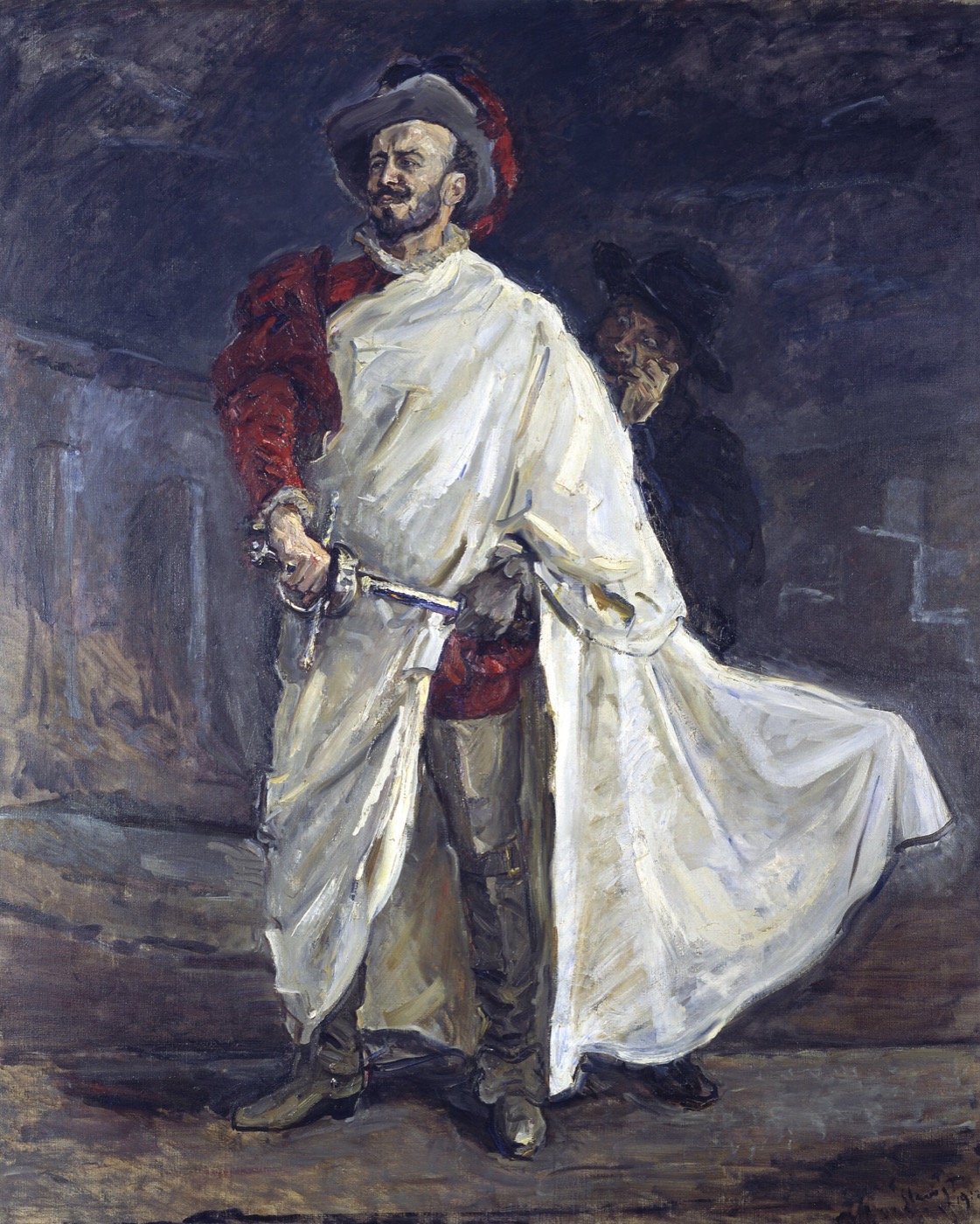
Don Giovanni is regarded as one of the greatest operas of all time1. The full title is Il dissoluto punito, ossia il Don Giovanni, and the Köchel number is 5271. This page gives you the facts to check before you open the score, one of many guides in the operas section.
At a glance
Mozart wrote the opera in two acts to an Italian libretto by Lorenzo Da Ponte1. Its subject is a centuries-old Spanish legend about a libertine, Don Juan, as told in Tirso de Molina’s 1630 play El burlador de Sevilla y convidado de piedra1. It belongs to the dramma giocoso genre3.
Da Ponte based his libretto on Giovanni Bertati’s text for Don Giovanni Tenorio, which premiered in Venice early in 17871. The commission followed the success of Mozart’s trip to Prague in January and February 17871. Mozart wrote most of the score in Vienna in the summer of 1787 and completed it in Prague in early October3. He recorded its completion on 28 October, the night before the premiere1.
Mozart was born on 27 January 1756 in Salzburg and died on 5 December 1791 in Vienna5.
Who’s who
| Role | Voice type | Premiere singer | Notes |
|---|---|---|---|
| Don Giovanni | Baritone | Luigi Bassi1 | A young, extremely licentious nobleman1 |
| Leporello | Bass | Felice Ponziani1 | Don Giovanni’s servant, a man of the people1,4 |
| Donna Elvira | Soprano | Katherina Micelli1 | A lady of Burgos abandoned by Don Giovanni1 |
| Donna Anna | Soprano | Teresa Saporiti1 | Promised in marriage to Don Ottavio1 |
| Don Ottavio | Tenor | Antonio Baglioni1 | Donna Anna’s betrothed1 |
| Masetto | Bass | – | A peasant in love with Zerlina1 |
Da Ponte was an Italian librettist, professor and Roman Catholic priest6. Don Giovanni stands between The Marriage of Figaro (1786) and Così fan tutte (1790) among three of Mozart’s most celebrated operas6.
Synopsis
Act 1
Leporello, Don Giovanni’s servant, grumbles about his demanding master and daydreams about being free of him1. His melody is simple, with one tone for each syllable, as in a folk song4. Then the pair hear a woman singing of having been abandoned by her lover, on whom she is seeking revenge1. She is Donna Elvira, and she arrives to thwart the seduction under way1.
Don Giovanni and Leporello also come across a distressed woman and her young maid3. Leporello answers Elvira with the catalogue aria. It lists his master’s conquests: 640 women and girls in Italy, 231 in Germany, 100 in France, 91 in Turkey and, in Spain, 1,0031. Rarely has the humor of Mozart and Da Ponte been darker4.
Don Giovanni is immediately attracted to Zerlina and tries to remove the jealous Masetto by offering to host a wedding celebration at his castle1. In their duet Zerlina is suspicious of a con but eventually gives in; the music is a honey sweet, languid duet4. Zerlina then follows the jealous Masetto and tries to pacify him1. At Zerlina and Masetto’s wedding Don Giovanni is about to make off with the bride when Elvira intercepts him3. The Champagne Aria gives a glimpse of Don Giovanni’s character in under two minutes4.
Act 2
Act 2 contains the sextet “Sola, sola in buio loco”1. Don Giovanni orders Leporello to lay on a party3. He forces Leporello to exchange identities with him, which leads Elvira to believe that Leporello is her lost husband3. Still disguised as Leporello, Don Giovanni beats up Masetto, who is looking for him3. Zerlina tries to calm Masetto, whose jealousy has been aroused3. In the Vienna version Zerlina threatens Leporello with a razor and ties him to a stool1.
The opera is a ghost story, complete with a cemetery scene and a return from the dead4. Don Giovanni points out a statue of the Commendatore and orders Leporello to invite it to dinner3. A statue warns Don Giovanni that his laughter will not outlast sunrise4. The Commendatore gives him an ultimatum to repent or suffer the flames of Hell3. Ottavio, Anna, Elvira, Zerlina and Masetto arrive to take their collective revenge, and Anna, Ottavio and Elvira unmask and denounce him for his crimes3. Its inscription reads that it waits for revenge against the scoundrel who killed it4. The final ensemble was generally omitted until the early 20th century1.
Was Don Giovanni a womaniser?
Yes. English National Opera’s synopsis follows a notorious womaniser who lusts his way towards his dramatic downfall, a legendary libertine and seducer3. His role is a young, extremely licentious nobleman1. The tally is Leporello’s, sung in the catalogue aria. In Italy, six hundred and forty; in Germany, two hundred and thirty-one; a hundred in France; in Turkey, ninety-one; but in Spain already one thousand and three4. OperaVision’s guide to the arias adds that rarely has the humor of Mozart and Da Ponte been darker4.
He is immediately attracted to Zerlina on her wedding day1, and Donna Elvira arrives to thwart the seduction under way1. The subject goes back to the Spanish legend of Don Juan, as told in Tirso de Molina’s 1630 play1.
The famous arias
| Aria | Role | Act | First line |
|---|---|---|---|
| Notte e giorno faticar | Leporello | 12 | Notte e giorno faticar1 |
| Ah fuggi il traditor | Donna Elvira | 12 | Ah! fuggi il traditor!2 |
| Madamina, il catalogo è questo | Leporello | 12 | Madamina, il catalogo è questo1 |
| Fin ch’han dal vino (Champagne Aria) | Don Giovanni | 12 | Fin ch’han dal vino calda la testa1 |
| Dalla sua pace | Don Ottavio | 12 | Dalla sua pace2 |
| Batti, batti, bel Masetto | Zerlina | 12 | Batti batti bel Masetto2 |
| Vedrai, carino | Zerlina | 22 | Vedrai carino2 |
| Il mio tesoro | Don Ottavio | 22 | Il mio tesoro2 |
| Mi tradì quell’alma ingrata | Donna Elvira | 22 | Mi tradi quell’alma ingrata2 |
Elvira’s opening number begins “Ah, chi mi dice mai”1. Leporello’s two Act 1 arias are bass music and the Champagne Aria is baritone music2.
Da Ponte died on 17 August 1838, so his text is in the public domain6. The catalogue aria opens the same way in the 1866 Italian libretto7. Here are four lines in the original, each with our own plain translation:
| Original | Our translation |
|---|---|
| Notte e giorno faticar1 | To toil by night and by day |
| Madamina, il catalogo è questo1 | Dear little lady, here is the catalogue |
| Fin ch’han dal vino calda la testa1 | While their heads are warm with wine |
| Ah, chi mi dice mai1 | Ah, who will ever tell me |
Background, premiere and reception
The Prague Italian opera gave the first performance at the National Theatre of Bohemia, now called the Estates Theatre, on 29 October 17871. Connoisseurs and musicians judged that Prague had never heard the like1.
Mozart supervised the Vienna premiere, which took place on 7 May 17881. For Vienna he wrote new arias with recitatives. Dalla sua pace for Don Ottavio was composed on 24 April for the tenor Francesco Morella1. Donna Elvira’s aria Mi tradì quell’alma ingrata was composed on 30 April for the soprano Caterina Cavalieri1.
Modern productions sometimes include both the original aria for Don Ottavio, Il mio tesoro, and its Vienna replacement1.
Language and diction notes
The libretto is in Italian1, so the rules in Italian diction for singers apply throughout. Leporello’s opening is plain and syllabic, with one tone for each syllable4.
Where to go next
Two more Mozart and Da Ponte comedies to study are The Marriage of Figaro and Così fan tutte6.
