Lyric diction
Russian diction for singers: palatalization, vowel reduction and transliteration
Russian lyric diction in one page: hard and soft consonants, the soft sign, vowel reduction, the vowel [ɨ], final devoicing and how romanization works.
By Diction Desk editors · Published · Updated · Checked against 8 sources
Russian has 34 consonants divided into hard and soft types, and most descriptions count five vowel phonemes1. Vowels change with their position in the word, and in unstressed syllables they reduce to only two to four vowels1,2. Vowels are the most common mistake for non-native singers2. Romanization has several competing standards3.
- Consonants
- 34, hard and soft1
- Stressed vowels
- 5 to 61
- Unstressed vowels
- Merge to 2 to 41
- Soft sign
- Marks palatalization of the preceding consonant2
- Final voiced consonants
- Devoiced, with a stated exception1
Contents
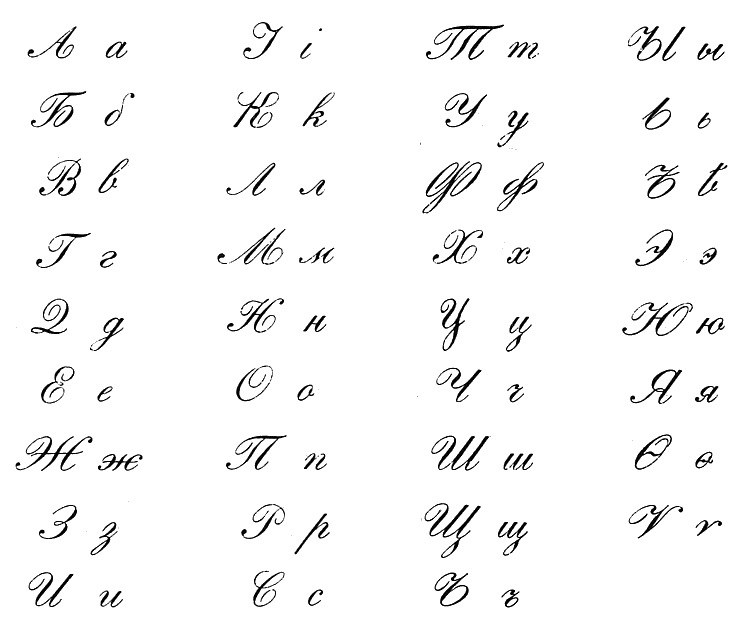
Non-native singers most often go wrong on the vowels of Russian, not the consonants2. This page covers what decides a Russian line: which consonants are soft, how unstressed vowels change, how sung vowels differ from spoken ones, and how to read a transliteration. The diction section covers the other languages.
Vowels and reduction
Most descriptions count five vowel phonemes in Russian1. Whether Russian has five vowel phonemes or six is a long-standing dispute among linguists, centred on the sound [ɨ]1. Russian has five to six vowels in stressed syllables1. In unstressed syllables the vowels merge to only two to four1. That is vowel reduction, and it is the central fact of Russian vowels: most Russian vowels are pronounced in different ways depending on their position in the word2. Vowels may not merge in foreign borrowings1.
Russian and Church Slavonic vowels are pure, without diphthongs, as in Latin or Italian7.
| Sound | IPA | What to know |
|---|---|---|
| i after a soft consonant | [i] | some endings have [i] after soft consonants1 |
| i after a hard consonant | [ɨ] | some endings have [ɨ] after hard consonants1 |
| unstressed a and o, word-initial | [ɐ] | pronounced [ɐ] in word-initial position and in a sequence6 |
| unstressed a and o, after the stress | [ə] | pronounced [ə] in posttonic position6 |
After a hard consonant, the sound [i] becomes [ɨ] when the word or morpheme begins with /i/1. These words show it:
| Word | IPA | What to know |
|---|---|---|
| и́мя ‘name’ | [ˈimʲə] | begins with [i]1 |
| без и́мени ‘without name’ | [bʲɪz ˈɨmʲɪnʲɪ] | [i] becomes [ɨ] after the hard consonant1 |
| безымя́нный ‘nameless’ | [bʲɪzɨˈmʲanːɨj] | [ɨ] inside the word1 |
| история ‘history’ | [ɪˈstorʲɪjə] | begins with the unstressed vowel [ɪ]1 |
| предыстория | [prʲɪdɨˈstorʲɪjə] | the same stem after a hard consonant1 |
| земли́ (genitive of земля́ ‘ground, land, earth’) | [zʲɪˈmlʲi] | земля́ is [zʲɪˈmlʲa]1 |
Vowels are fronted or raised next to soft consonants: /a/ and /u/ become [æ] and [ʉ] between palatalized consonants, and /o/ becomes [ɵ] after and between them6.
The letter ы, rendered y in one coach’s guide, is somewhat like the [ɪ] in English hill, and that approximation is probably adequate for singing2. It is often a very difficult letter for students of Russian to pronounce in speech, and even more so in singing2.
Hard and soft consonants
Russian has 34 consonants, which can be divided into hard and soft types1. It distinguishes hard consonants from soft (palatalized) consonants and from consonant plus [j] clusters, making four sets in total1. Russian also preserves palatalized consonants that are followed by another consonant more often than other Slavic languages do1.
The soft sign, rendered as an apostrophe in transliteration, indicates that the preceding consonant is palatalized2. The consonant before a vowel is softened by a fleeting [j] sound7. The letter y never sounds alone, as in copy or cry; it is always blended with a vowel7.
| Type | Articulation | Example |
|---|---|---|
| Hard | velarized or uvularized6 | твёрдый [ˈtvʲordɨj]1 |
| Soft | palatalized; the body of the tongue is raised toward the hard palate, as for the y in yes6 | мягкий [ˈmʲæxʲkʲɪj]1 |
Soft consonants are mostly written with the IPA superscript ʲ6. In native words /j, ɕː, tɕ/ are always soft, whereas /ʐ, ʂ, ts/ are always hard6. The last consonant of prefixes and parts of compound words generally remains hard1.
Letter by letter in one coach’s guide
The coach behind the Driscoll guide gives English approximations for the letters that trip singers2. The guide uses a BGN/PCGN-based romanization, so the Latin spellings below are hers.
| Letter | Approximation | Note |
|---|---|---|
| a | [a] in father when stressed, [ə] in away when unstressed2 | position decides the sound |
| e | [jɛ] in yes when stressed, [i] in bee when unstressed2 | |
| o | [o] in core when stressed, [ə] when unstressed2 | говорю is gəvərju, with no long [o]2 |
| э | [ɛ] in ebb2 | generally word-initial, with no [j] before it2 |
| я | [ja] in yard when stressed, [jə] at the end of a word2 | |
| ж | [ʒ] in measure, or the French j in je2 | |
| р | flipped like a Spanish or Italian r2 | |
| х | German [x] in Bach2 |
The same coach considers the soft sign a fairly minor concern for singing2.
Final devoicing
Voiced consonants are devoiced word-finally unless the next word begins with a voiced obstruent1. When the next word begins with a voiced obstruent, the final consonant keeps its voice1.
Transliteration and romanization
Romanization is the transliteration of Russian text from the Cyrillic script into the Latin script3. There are a number of distinct and competing standards for the romanization of Russian Cyrillic3, and none of them has received much popularity3. Scientific transliteration has been used in linguistics since the 19th century3. It is based on the Czech alphabet and formed the basis of the GOST and ISO systems3.
Singers have a purpose-built option. The Russica transliteration system from Musica Russica has been designed specifically with singing in mind7. It uses Latin, Italian, German and English sounds familiar to singers as points of departure7. Initial iotated vowels are transliterated as ye, yu and ya7.
A dissertation at the University of Washington is an annotated guide to the sung sounds of Russian and the matching Cyrillic letters5.
What a diction course covers
Russian lyric diction at a conservatoire treats language as musical material4. The Paris Conservatoire course familiarizes students with the specific features of Russian diction, covering alphabet, rules of reading, syntax and versification4. The dissertation guide covers articulation, phonological rules and Cyrillic orthography, and later chapters explore the more important elements of Russian phonological theory in greater depth5.
Sung versus spoken
Reduction in unstressed syllables is part of the language1. A letter that is hard in speech is harder in singing2.
Vowel modification is generally agreed to be a key feature of professional operatic singing8. It helps achieve an even quality of vocal sound throughout the singing registers8. In Russian it may have an impact on the palatalization of consonants8. The link is not straightforward, and a 1995 study from Moscow State University examines it8.
Common mistakes for English speakers
- One sound for each vowel letter. Most vowels change with position in the word2.
- Ignoring unstressed reduction. Unstressed vowels merge to two to four1.
- Treating ы as English “ee”. After a hard consonant [i] becomes [ɨ]1; the approximation for singing is the [ɪ] of hill2.
- Not marking hard and soft. Hard, soft and consonant plus [j] make four sets1.
- Skipping the soft sign. It marks palatalization of the preceding consonant2.
- Pronouncing final voiced consonants as voiced. They are devoiced word-finally unless the next word begins with a voiced obstruent1.
Next steps
Learn the symbols in IPA for singers. Russian vowels are pure, as in Italian7. For a score in the language, work through Eugene Onegin.
Read next
IPA for singers: what the International Phonetic Alphabet is and how to use it
The International Phonetic Alphabet for singers: why one symbol equals one sound, the marks that matter, singers' charts and where to find IPA texts.
Lyric dictionItalian diction for singers: vowels, consonants, IPA and double-consonant rules
Italian lyric diction in one page: the 7 vowels, open and closed E and O, the c and g rules, gli, gn, sc, double consonants and the rolled r.
Opera guidesEugene Onegin: synopsis, roles, arias and diction notes
Tchaikovsky's Eugene Onegin in one page: premiere, voice types, the three acts, famous arias with first lines in Russian and notes for singers.
Questions singers ask
What is palatalization in Russian?
Russian distinguishes hard consonants from soft (palatalized) consonants and from consonant plus [j] clusters, making four sets in total1. The soft sign marks that the preceding consonant is palatalized2.
How many vowels does Russian have?
Most descriptions give five vowel phonemes, but whether it has five or six is a long-standing dispute centred on [ɨ]1. In stressed syllables it has five to six vowels; in unstressed syllables they merge to two to four1.
What is the most common mistake for non-native Russian singers?
The pronunciation of vowels2. Most Russian vowels are pronounced in different ways depending on their position in the word2.
Sources
- Russian phonology · Wikipedia · en.wikipedia.org · checked 19 October 2026
- Russian Diction (Rebekah Driscoll guide) · Rebekah Driscoll, singer and coach · rebekahdriscoll.com · checked 19 October 2026
- Romanization of Russian · Wikipedia · en.wikipedia.org · checked 19 October 2026
- Russian lyrical diction · Conservatoire national supérieur de musique et de danse de Paris · conservatoiredeparis.fr · checked 19 October 2026
- Russian Lyric Diction: a practical guide (dissertation, Craig M. Grayson) · University of Washington Libraries · digital.lib.washington.edu · checked 19 October 2026
- Help:IPA/Russian · Wikipedia · en.wikipedia.org · checked 19 October 2026
- Russica transliteration system (Musica Russica) · Musica Russica · musicarussica.com · checked 20 October 2026
- Effect of vowel modification on the phonemic accuracy of vowels and palatalization of consonants in Russian vocalized speech (ICPhS 1995) · ICPhS 95 Stockholm (Obraztsova, Oussilova, Moscow State University) · coli.uni-saarland.de · checked 20 October 2026
Photos (1)
- Ulamm, Public domain

Translations of libretto lines on this page are our own. How we check facts · Report an error.